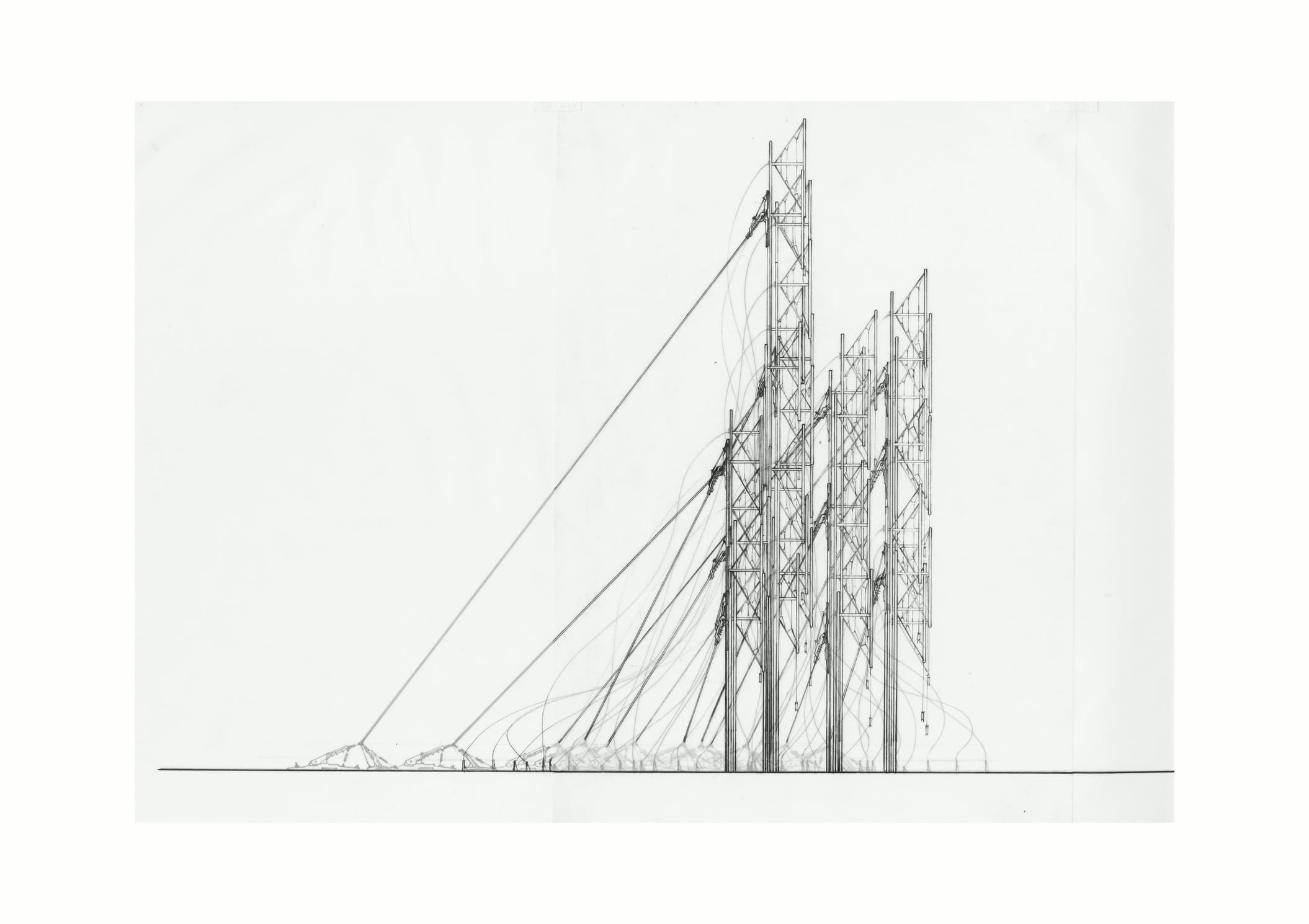
ShadowCity
Shadow City imagines a late-21st-century Hong Kong shaped by two forms of overload: the density of human habitation, and the accelerating demand for computation.
Rather than treating high-density housing as a collection of apartments, the project constructs an alternative urban system — a monumental steel megastructure carrying hundreds of independent capsule dwellings that attach, detach, and extend outward from its structural grid.
Circulation, utilities, nutrition, and essential resources are no longer contained within individual homes, but distributed through a centralized infrastructural network embedded within the tower. The building becomes a life-support machine.
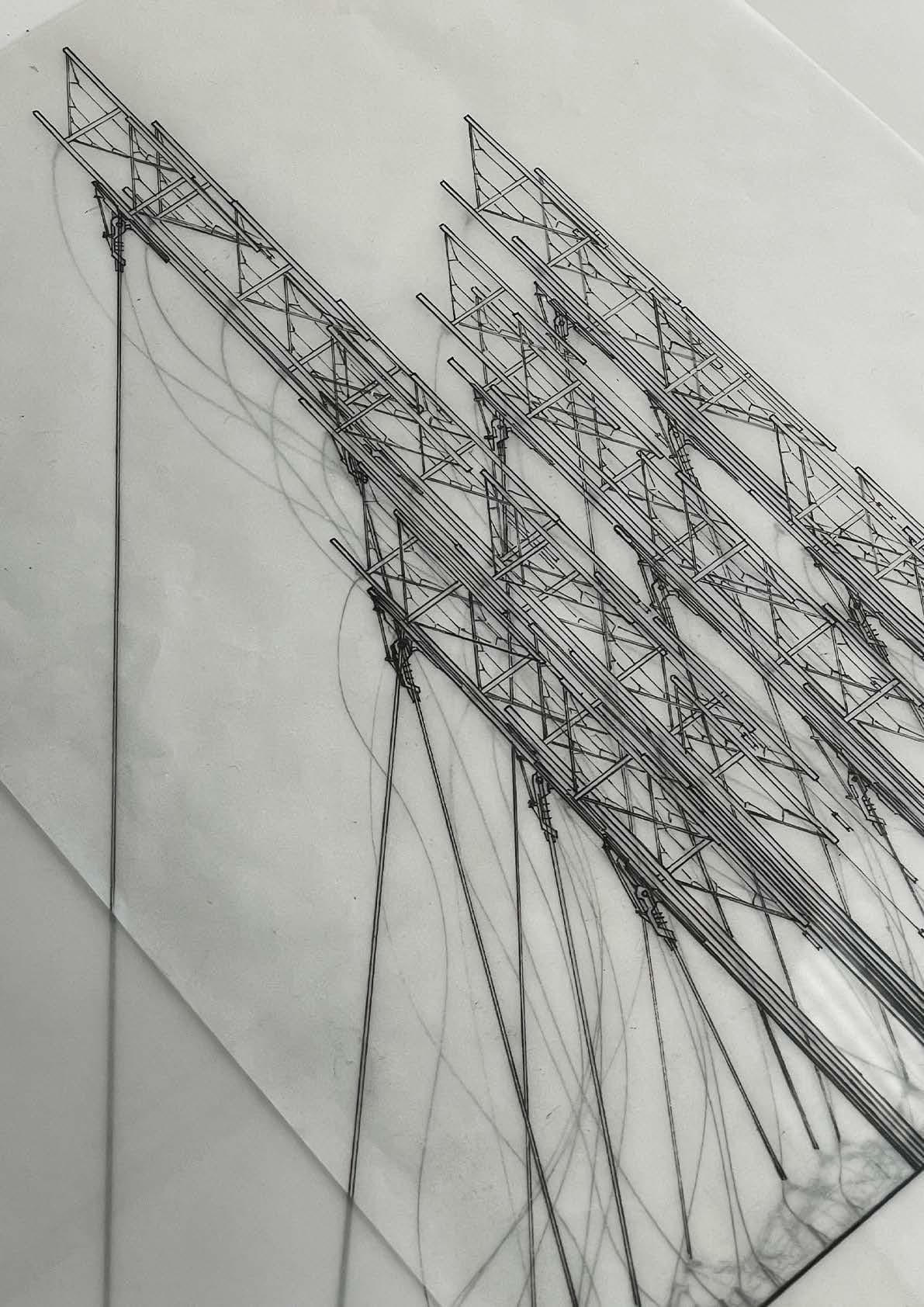
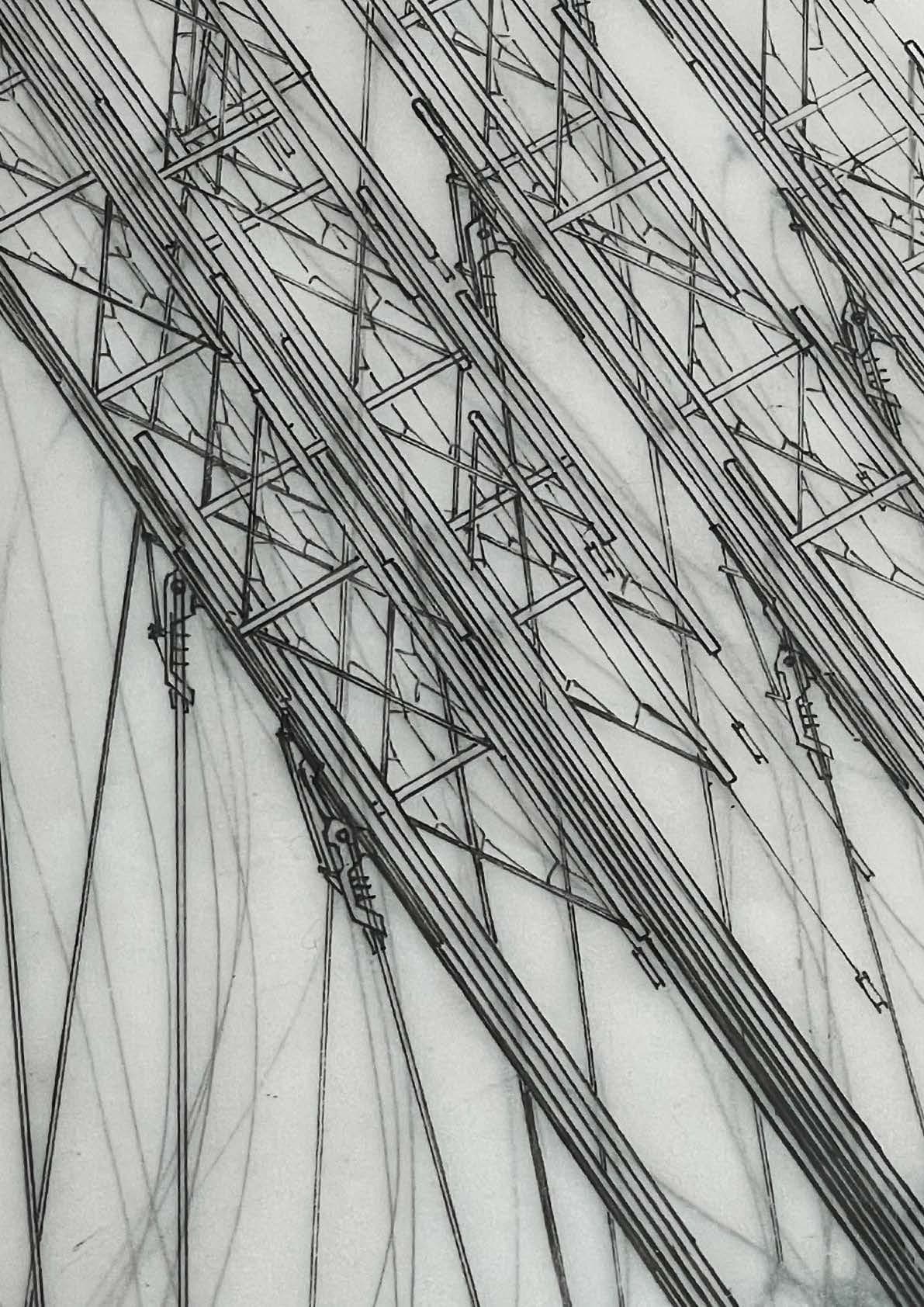
A monumental steel megastructure becomes the primary spatial framework of the city.
Hundreds of independent capsule dwellings attach, detach, and extend outward from its structural grid, while circulation, utilities, and nutrition run through the frame — not through the home. The dwelling keeps only what the body immediately needs; everything that sustains it belongs to the structure.
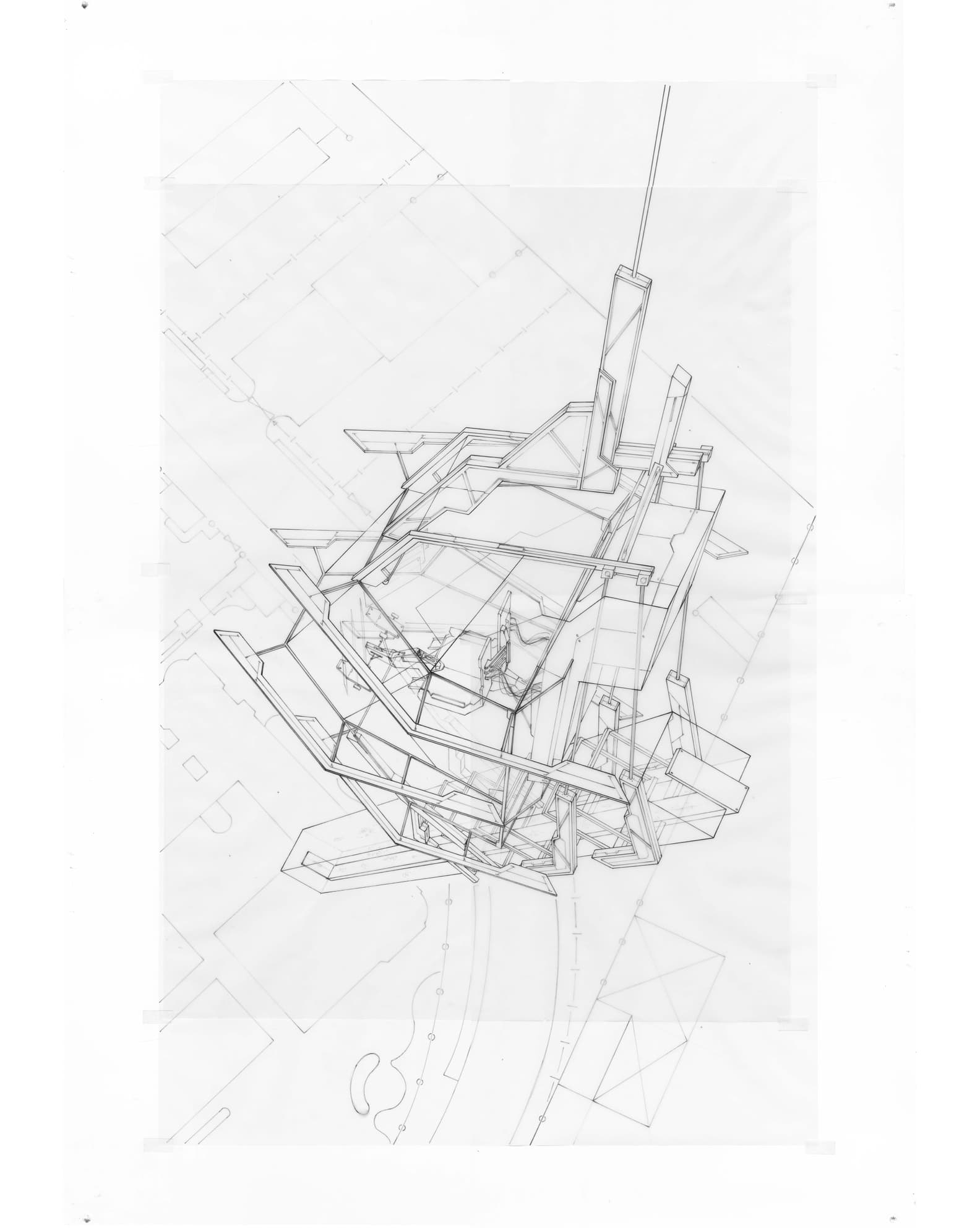
Domestic space stripped to its minimum, plugged directly into centralized supply.
The project deliberately pushes this dependency to an extreme: residents inhabit compact capsules connected straight into the tower's systems, imagining a future in which the infrastructure required to sustain life becomes more dominant than the space of living itself.
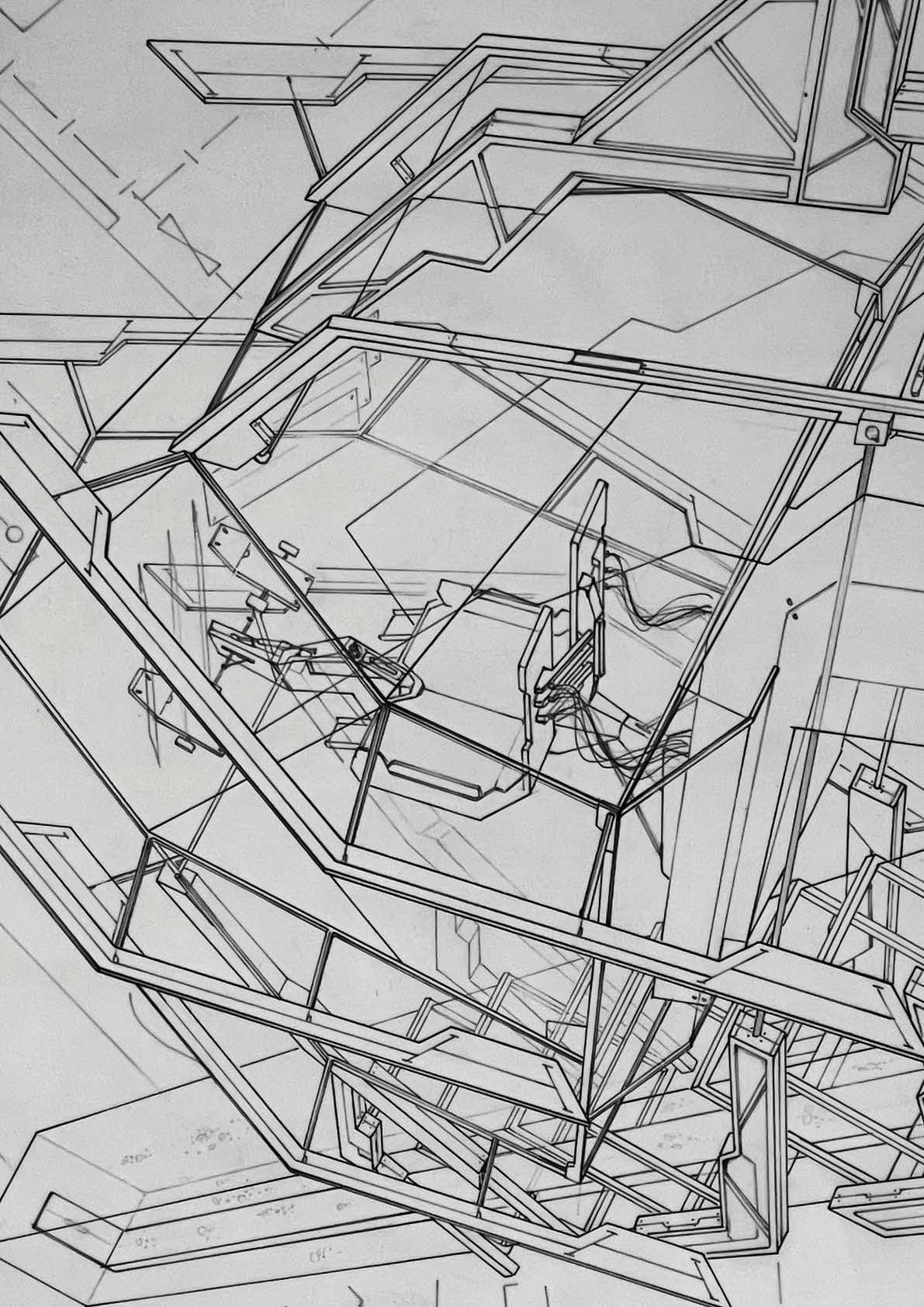
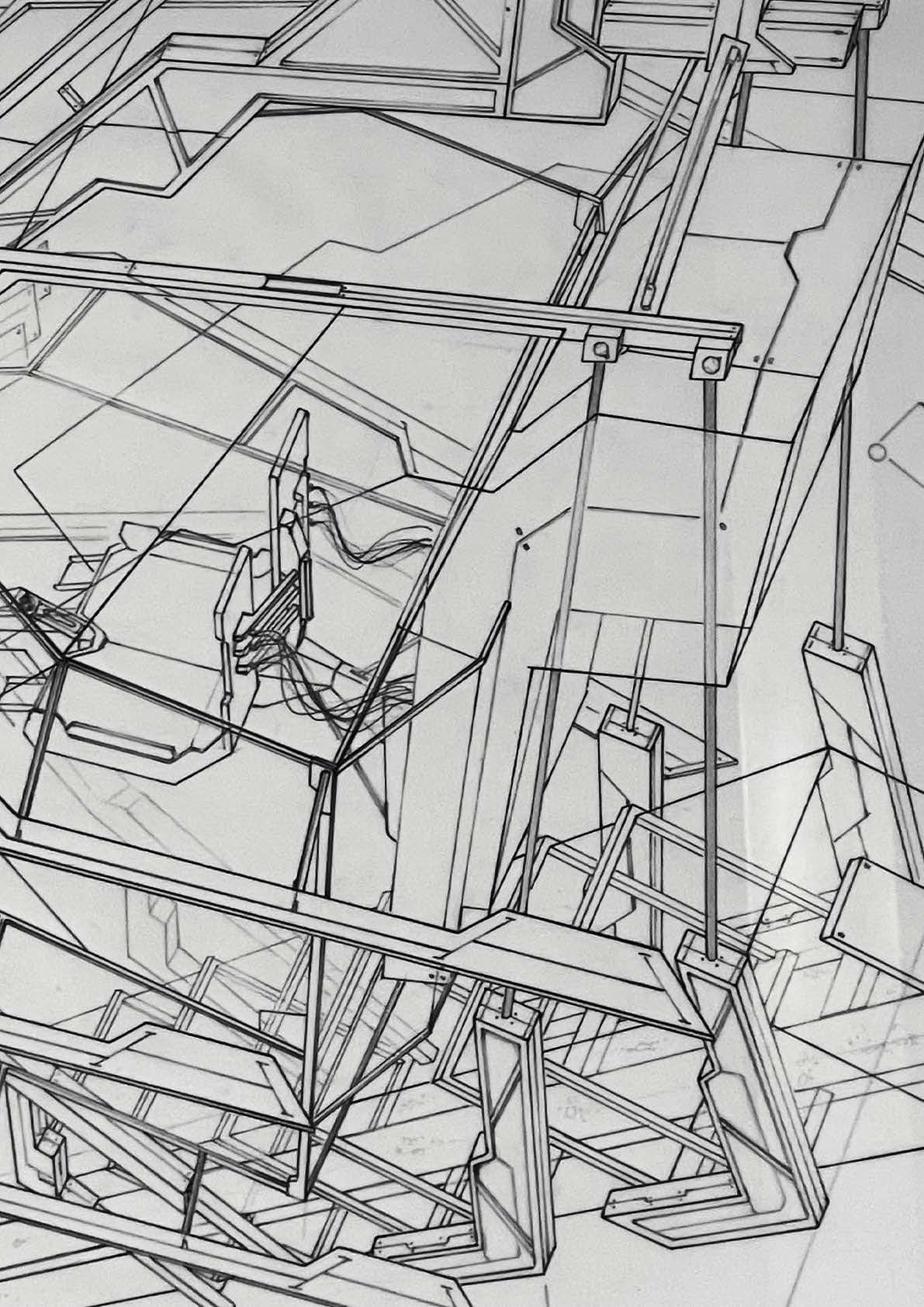
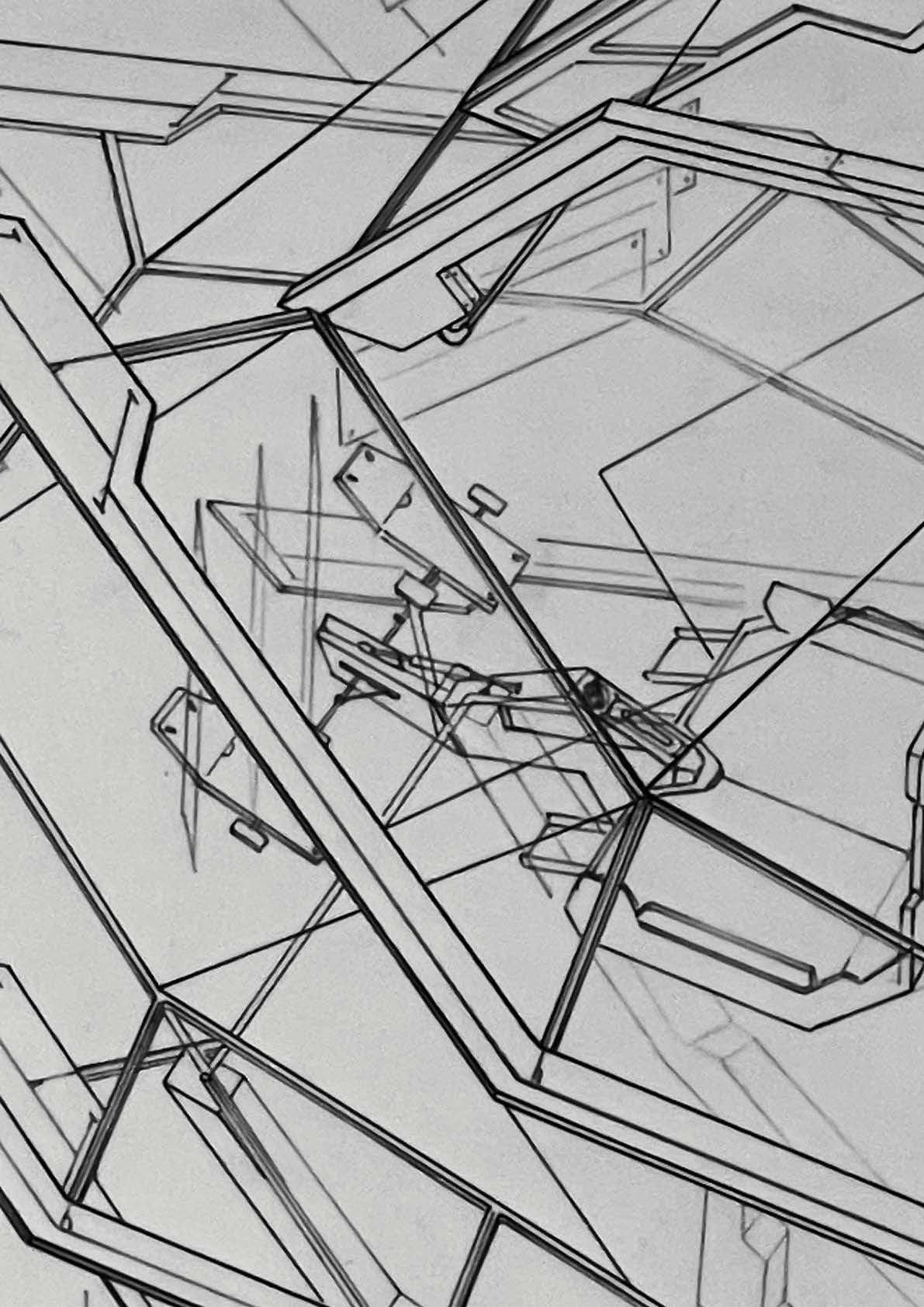
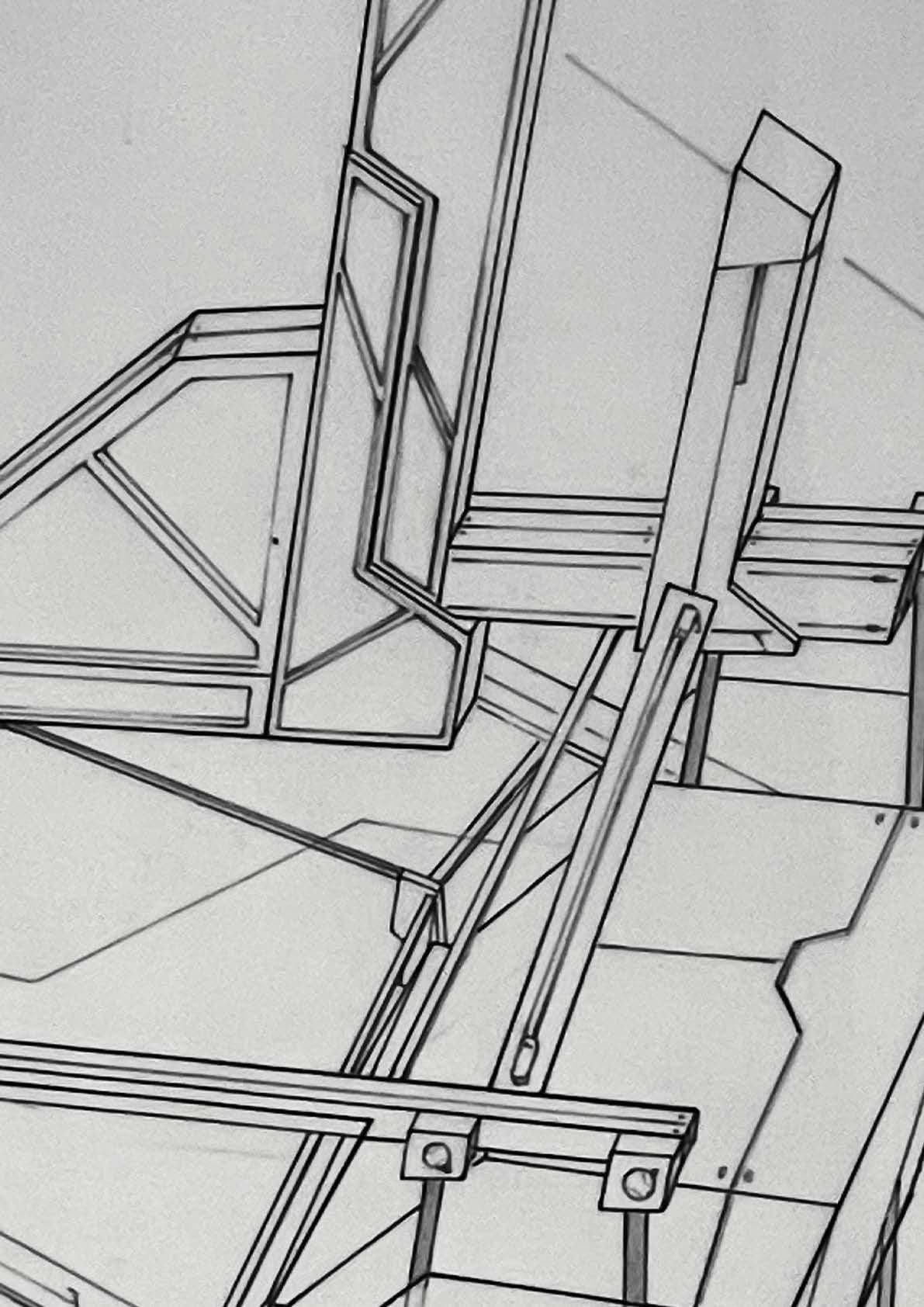
Capsule-scale perspectives — the body suspended inside the machine that keeps it alive.
Architecture no longer shelters life —it keeps it running.
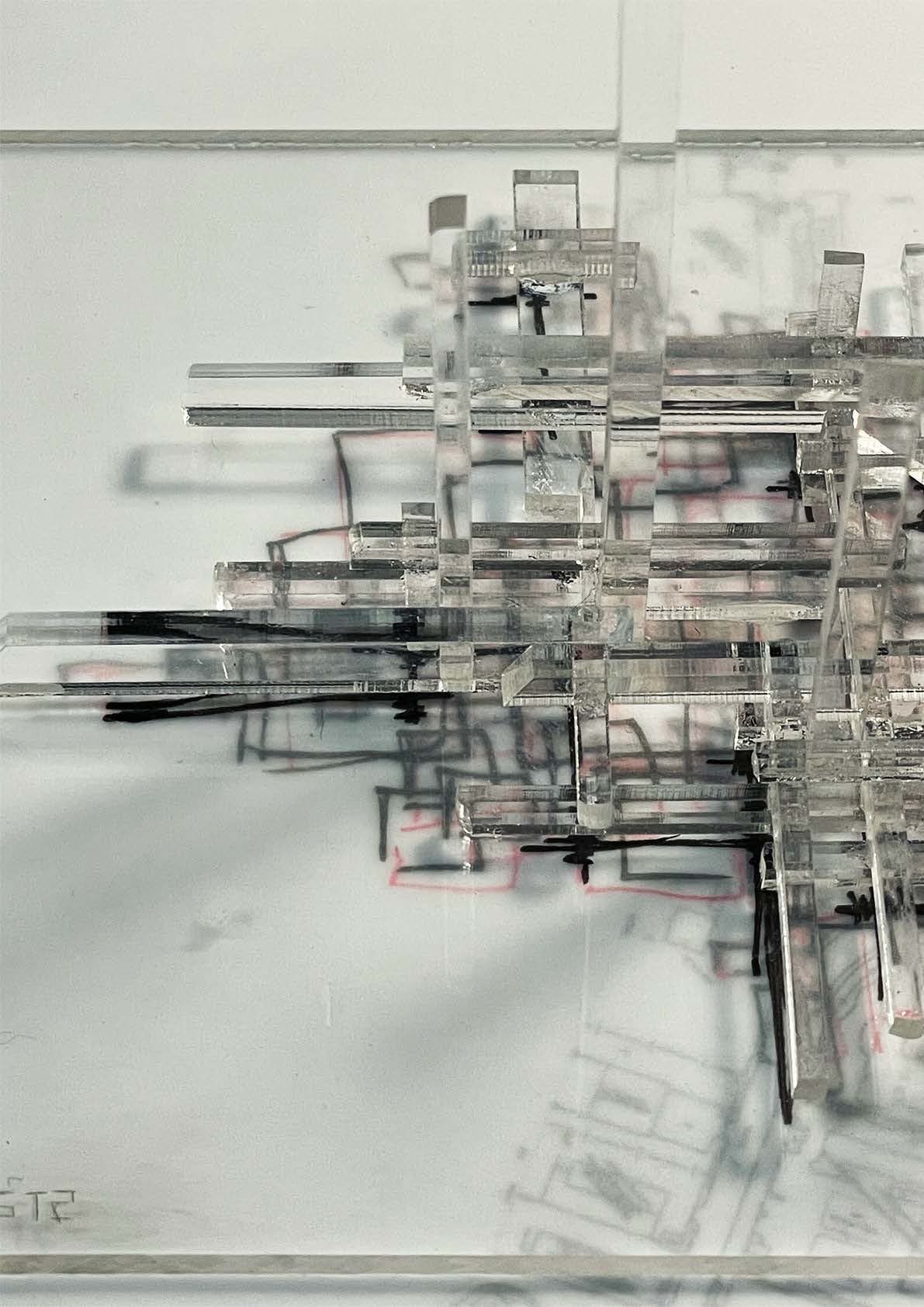
Beneath Sham Shui Po lies SSP-2 — a computational landscape mirroring the city above.
While everyday life continues through the existing streets, a second infrastructural territory operates underneath them: computing facilities, cooling systems, pipelines, and data infrastructure sized to the immense computational demands of the vertical settlements.
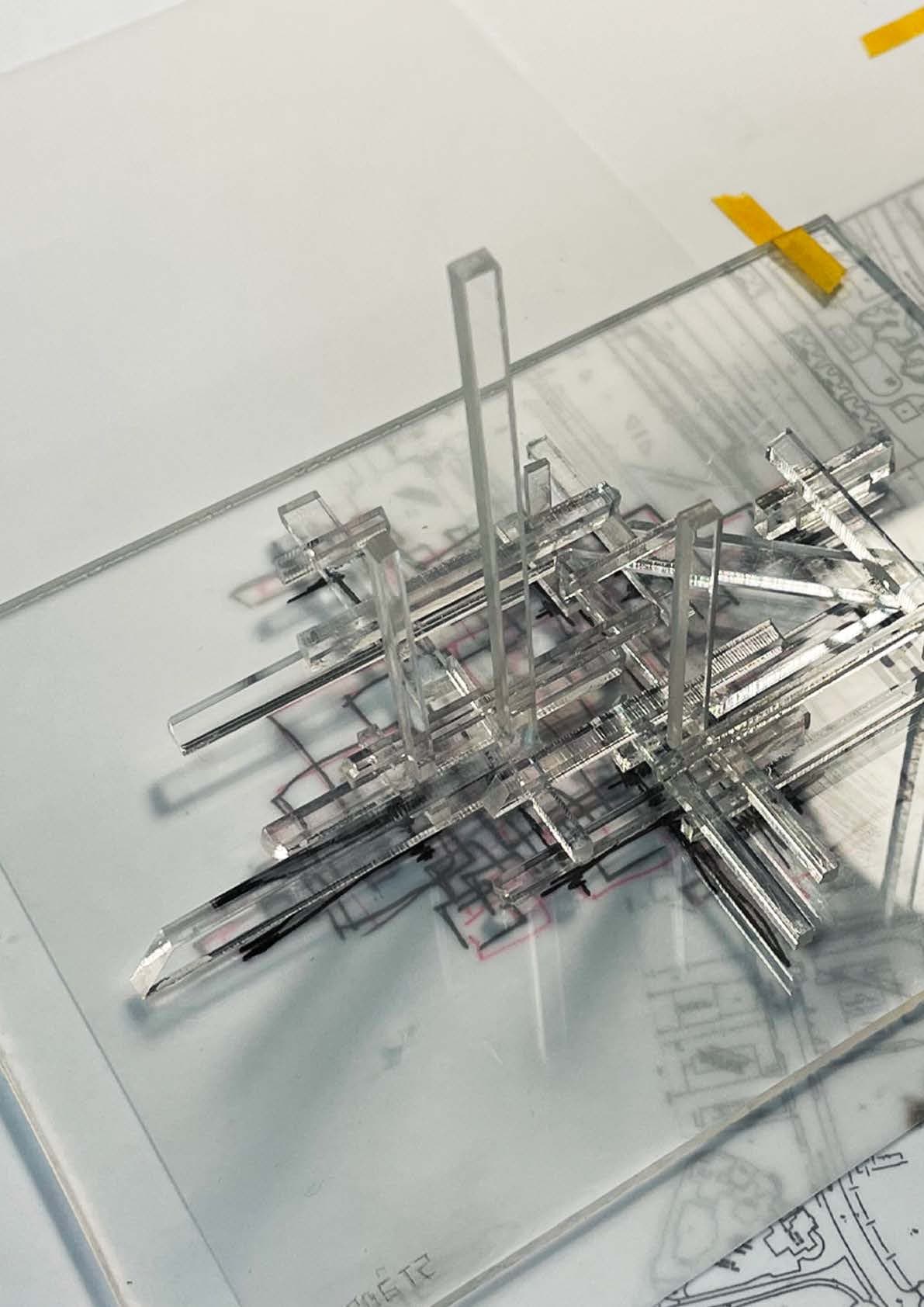
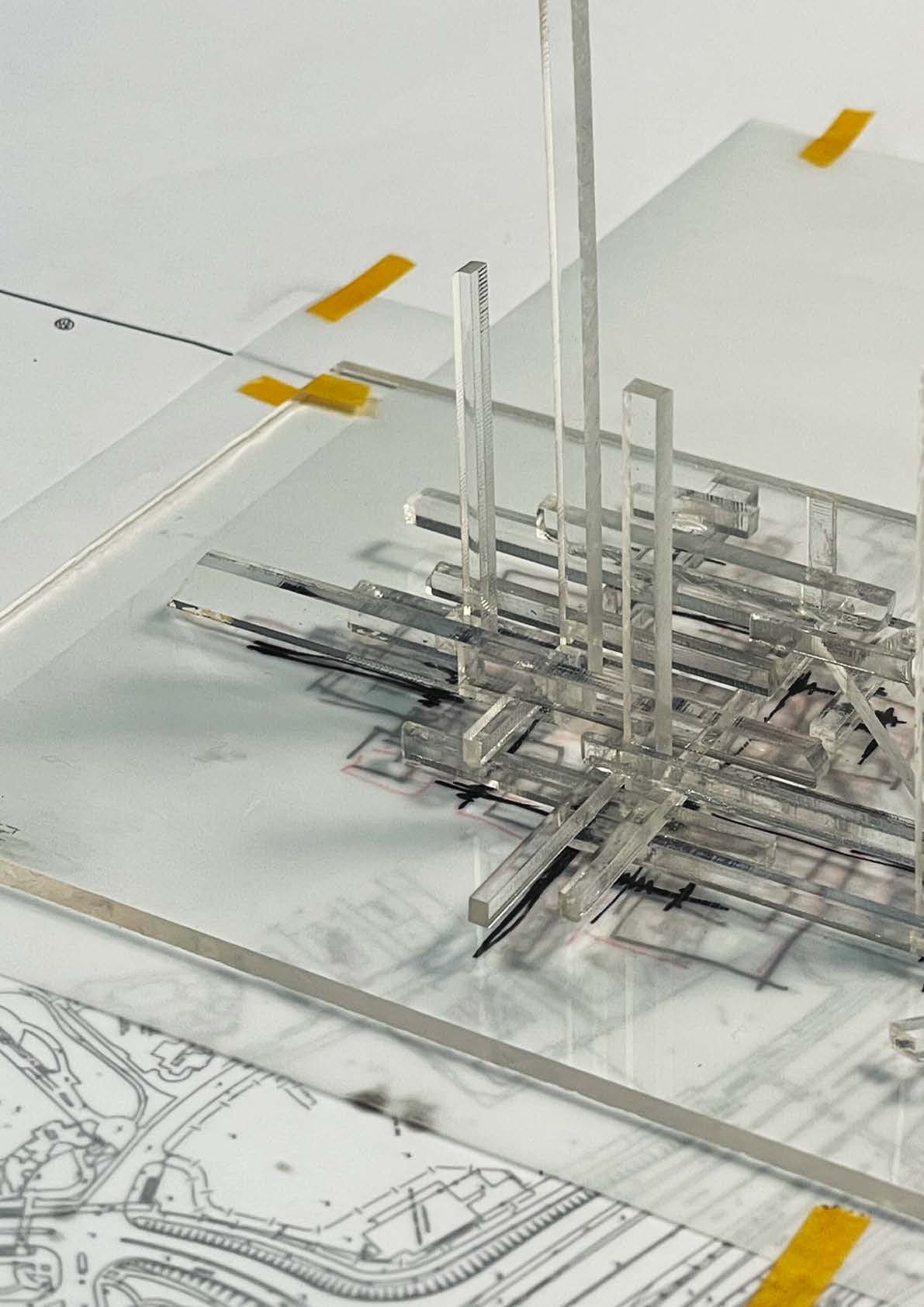
A double city: one half supporting the human body, the other supporting the digital systems it depends on.
Shadow City ultimately asks what happens when infrastructure ceases to support the city from the background and instead becomes the city itself — a world built around dependence, where bodies, buildings, machines, and data share the same life-support system.