Memento
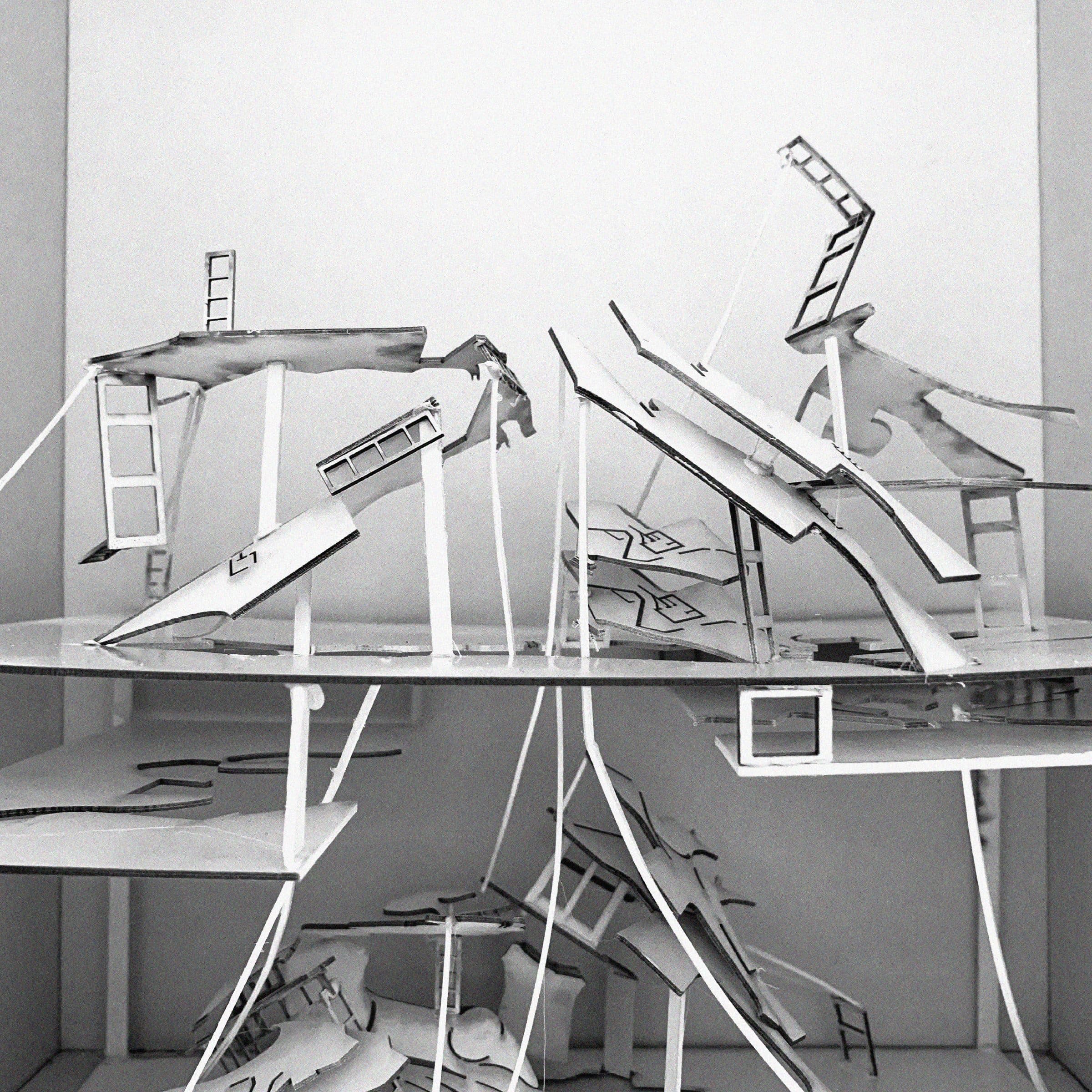
Memento explores the spatial complexity of boundaries — memory, time, and human encounter — within a neglected hundred-meter strip between Shenzhen and Hong Kong.
It began as a personal experience of the pandemic: with every crossing closed, people from both cities came to meet across four layers of barbed wire.
Rather than erasing the boundary, the project reconstructs it as both boundary and link — a space where separation, shared memory, nature, and dual identities coexist.
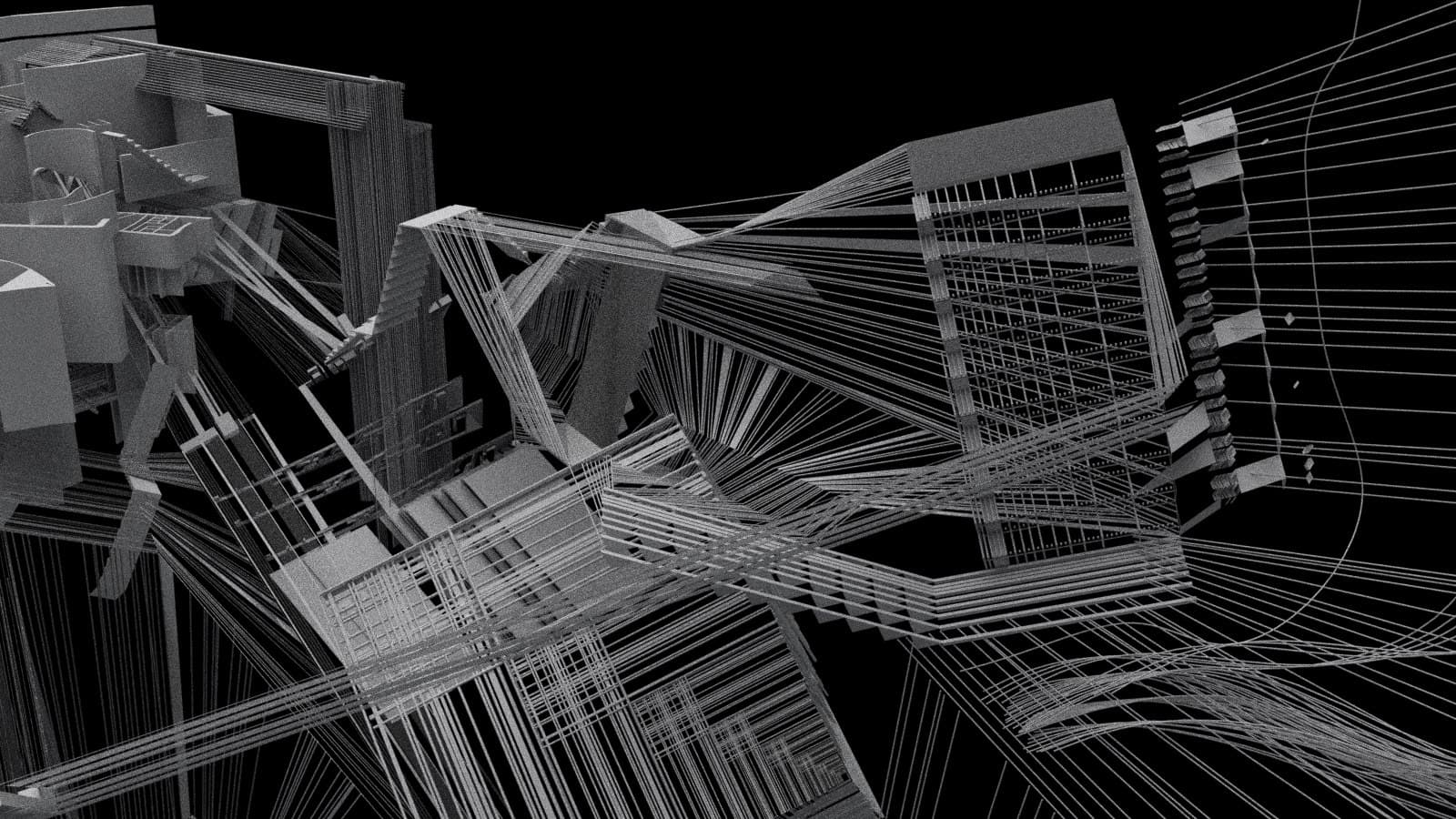
A neglected strip, a hundred meters wide — roads, wasteland, and four layers of fencing between two cities.
The border is read not as a line but as a territory with thickness. The four layers of wire that once held people apart are reinterpreted as a spatial memento of a particular historical moment — the project's name, and its brief.
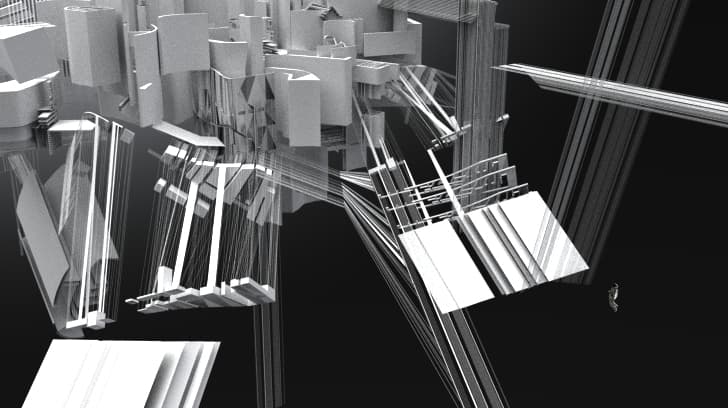
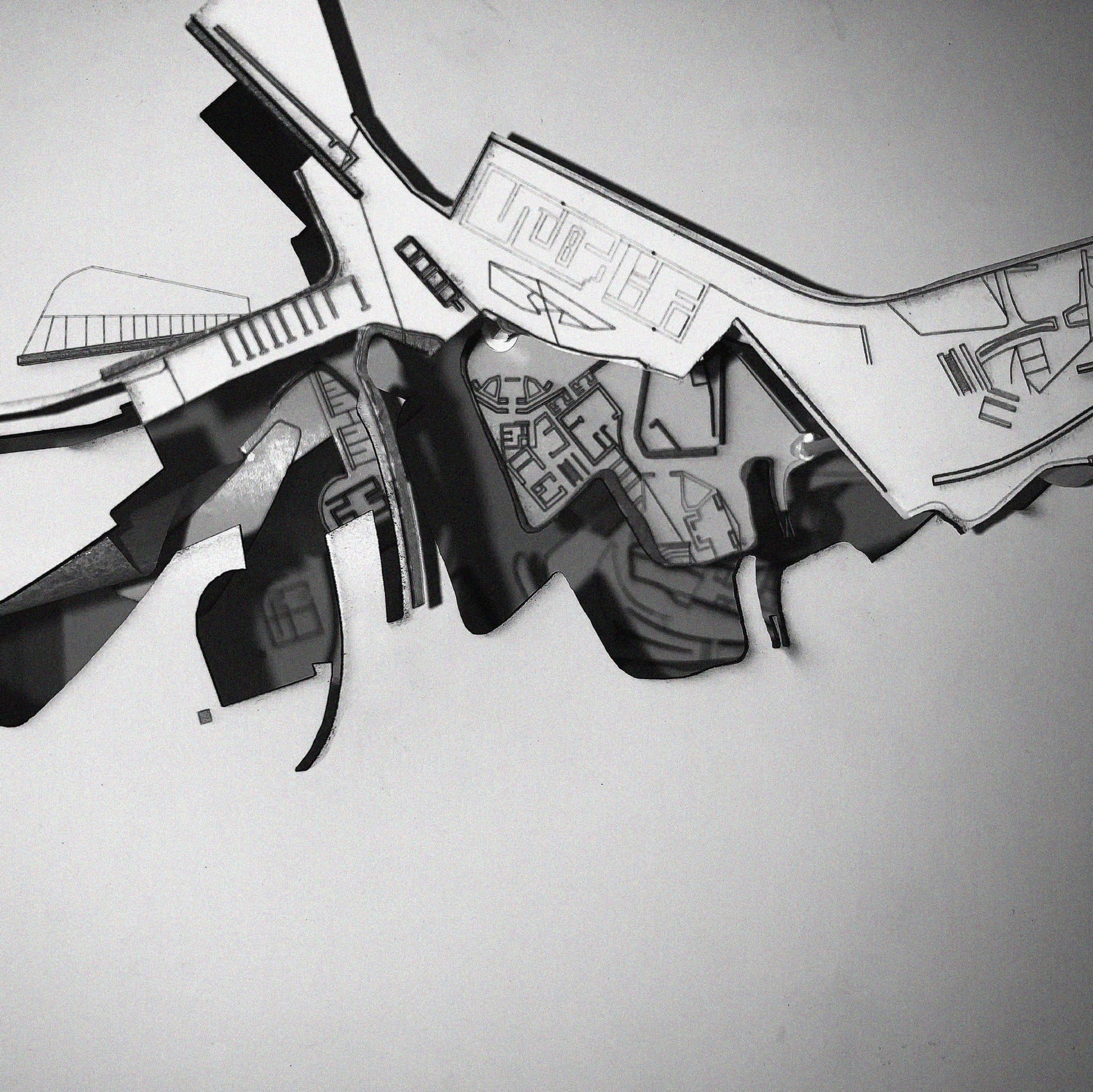
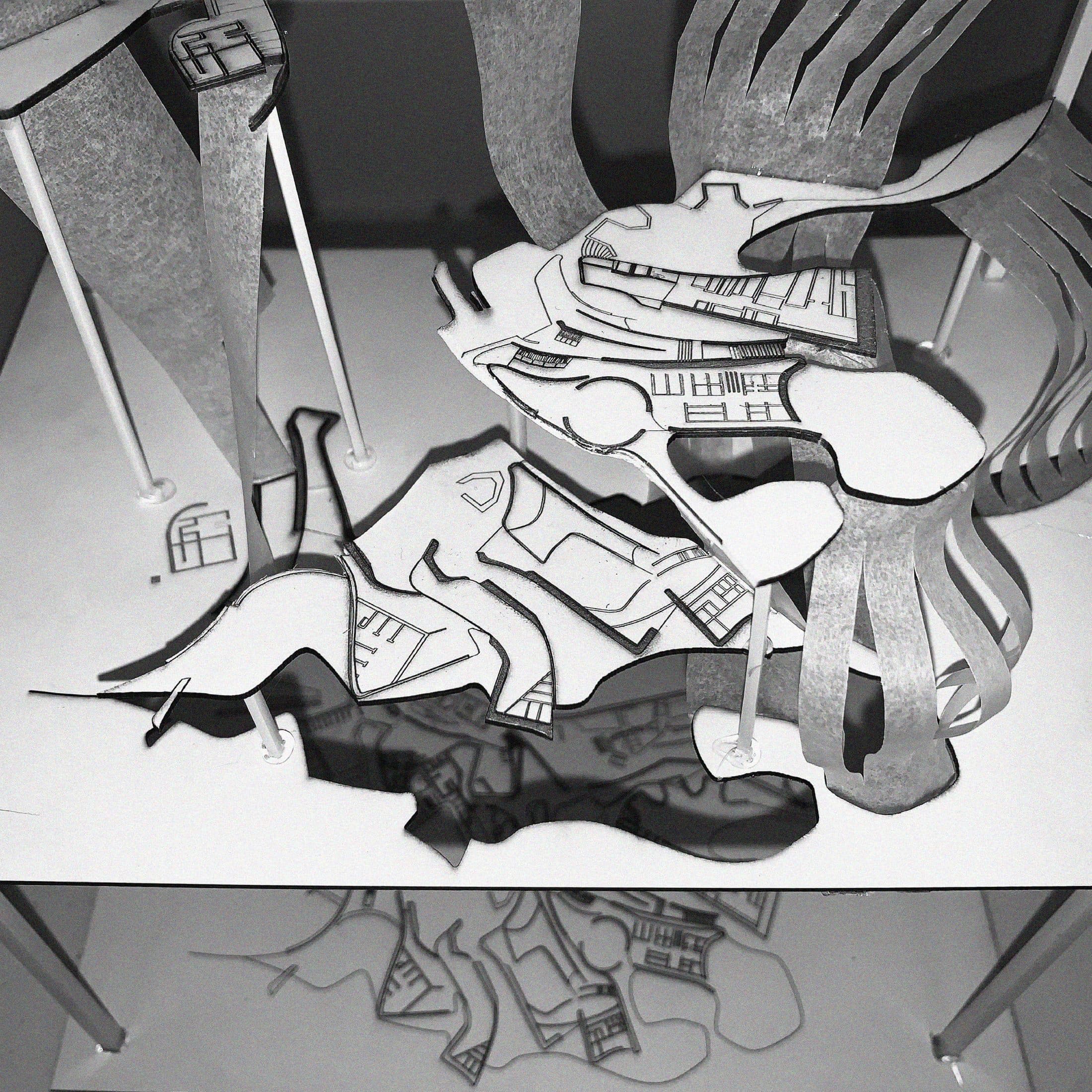
Existing plans are deconstructed — overlapped, shifted, rotated — and translated from drawing into three-dimensional space.
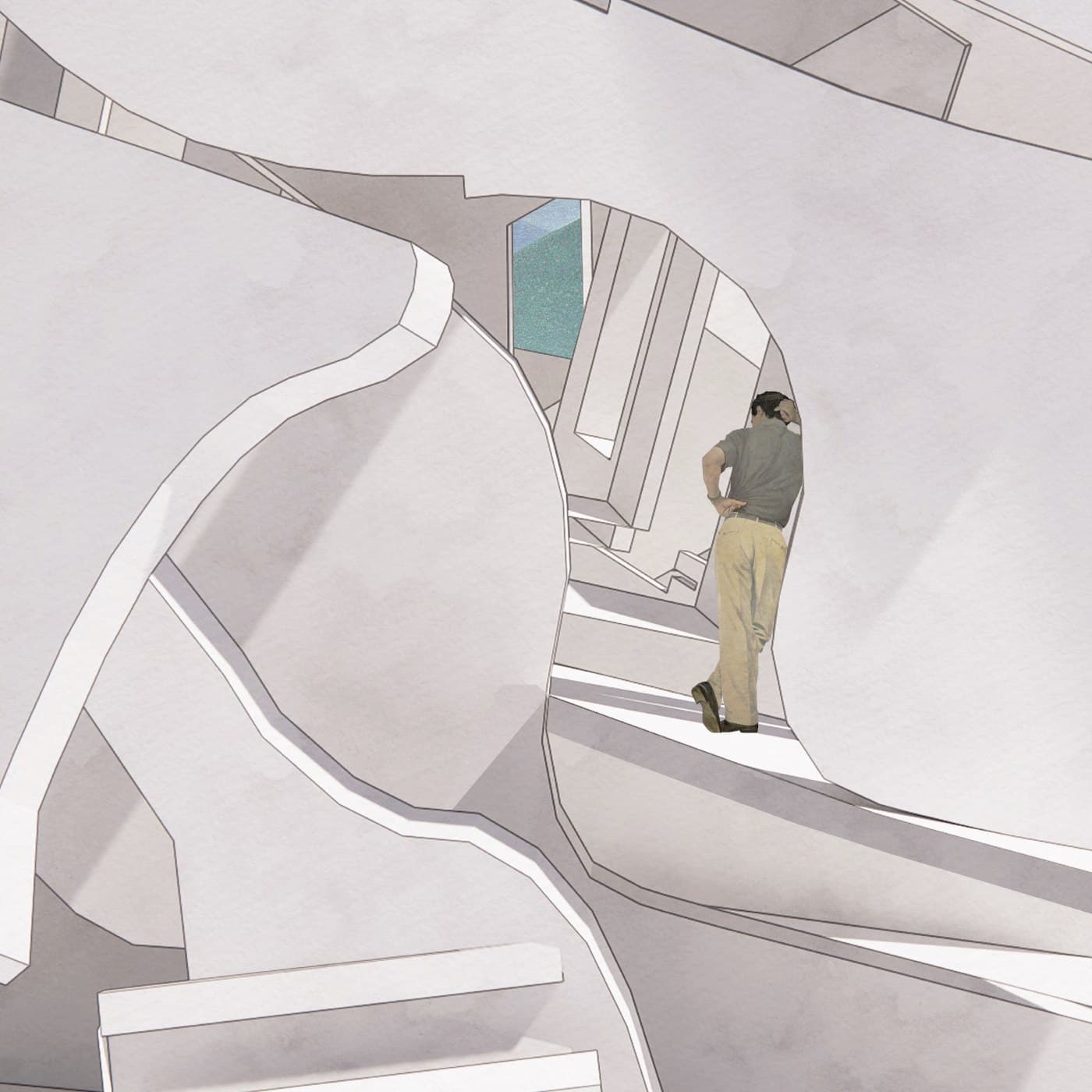
The same operations are then applied to the wall itself. No longer a simple element of separation, it becomes a device that carries movement, events, perception, and memory.
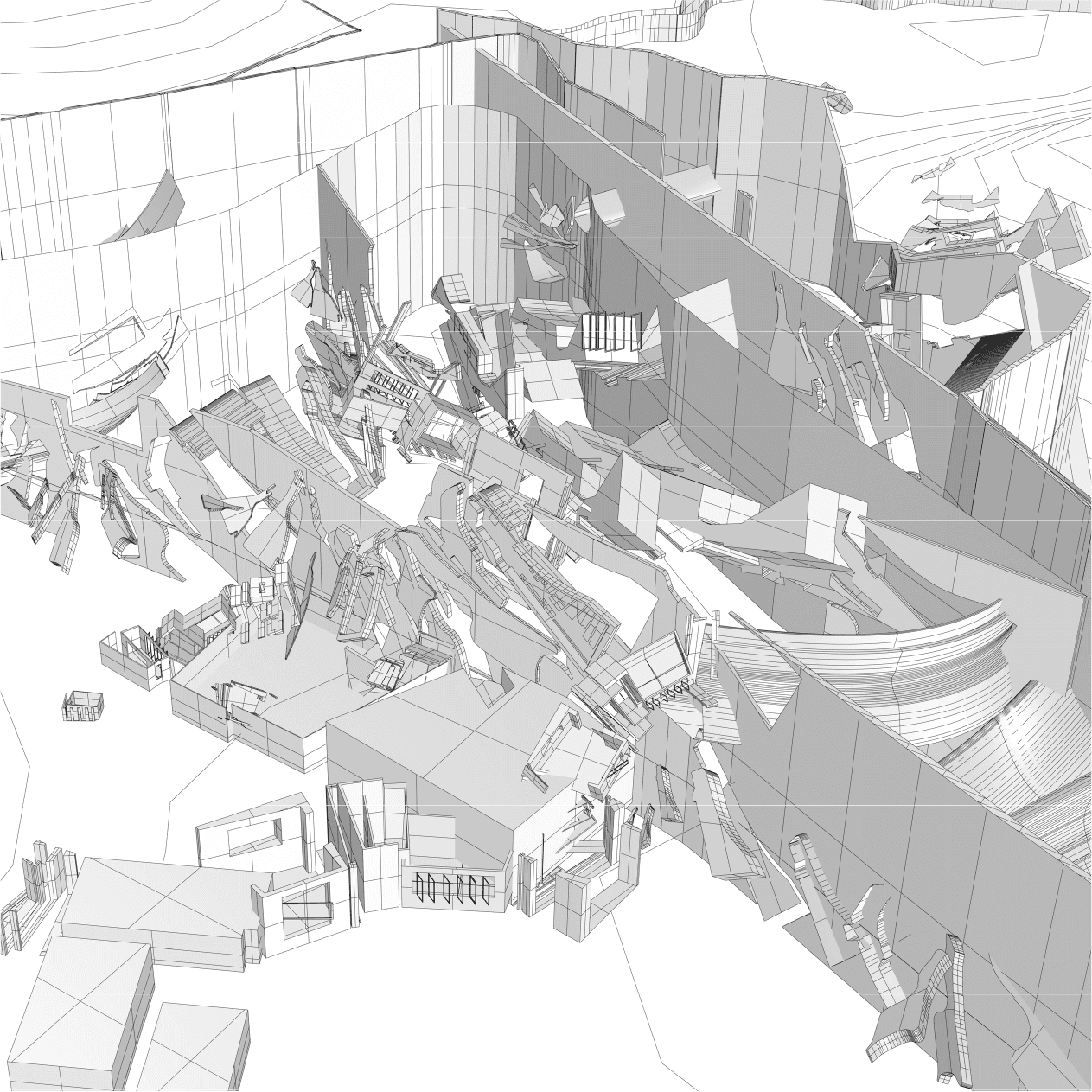
The wall opened as an inhabitable section — thresholds, stairs, and chambers inside the boundary.
Must a wallremain a barrier?
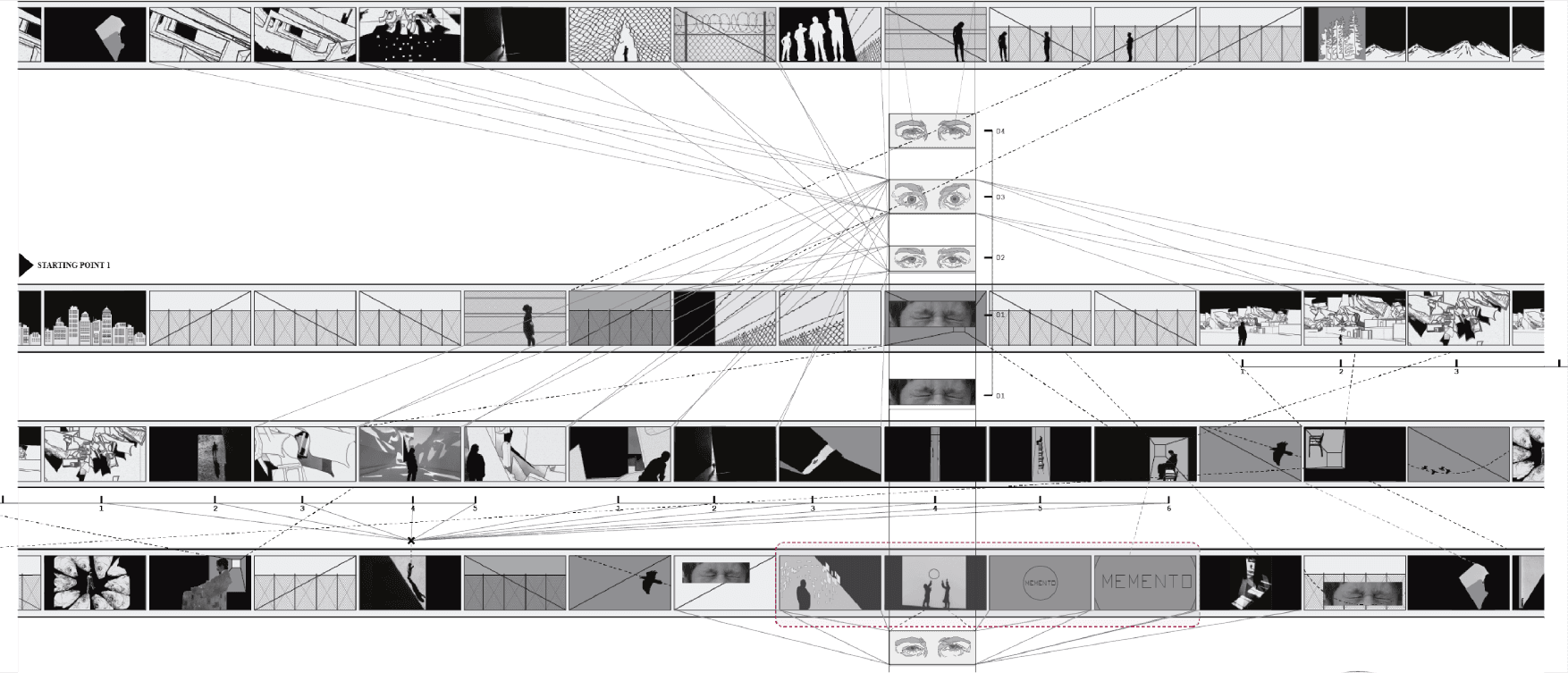
The linear barrier unfolds into a fragmented, diachronic sequence — encounters recorded frame by frame.
Layers of walls, paths, openings, and interstitial spaces expand the narrow territory into a landscape of encounters, where different moments and memories overlap as visitors move through it.
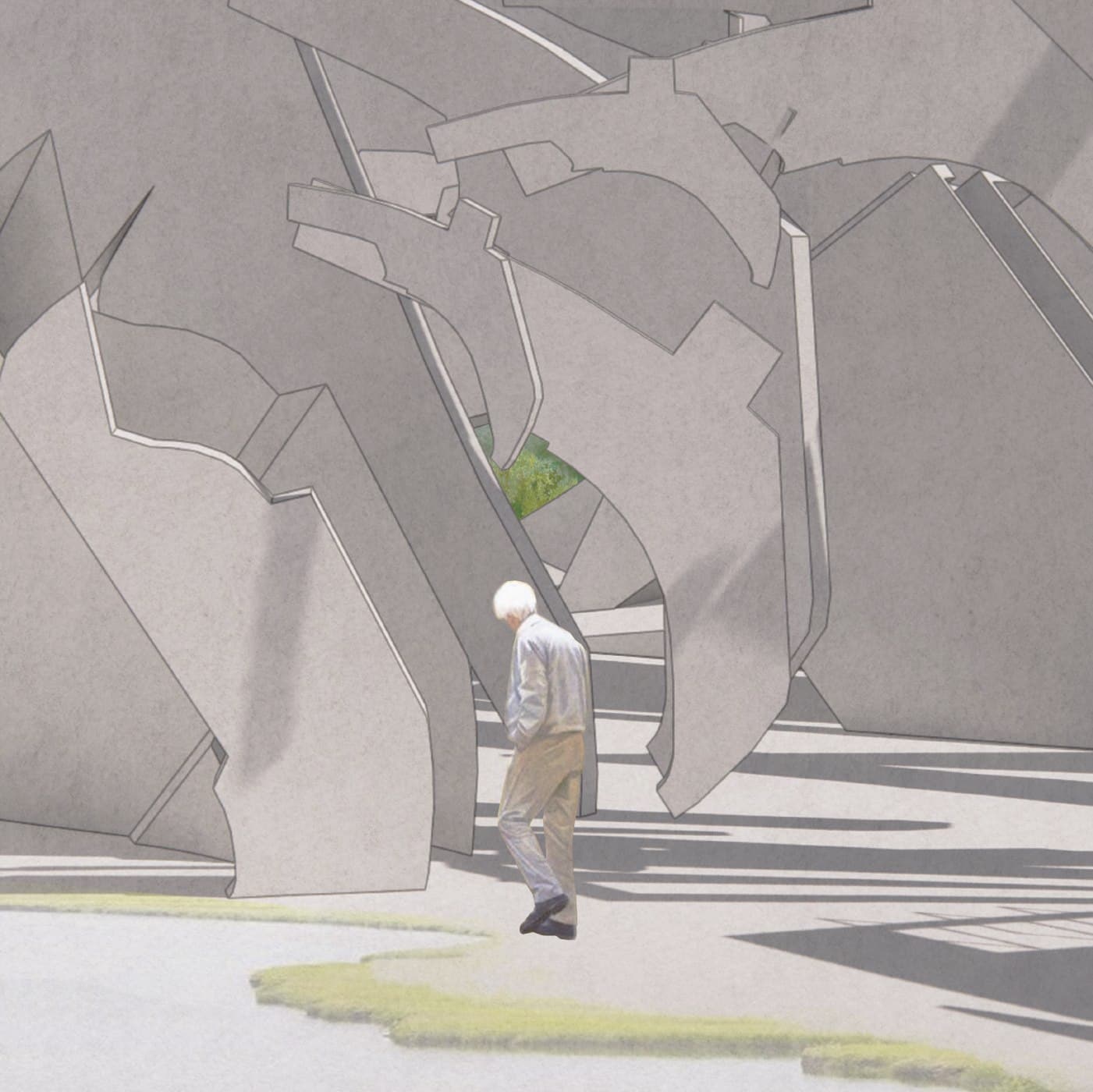
Between the two cities, the landscape keeps growing and the Lin Ma Hang Stream keeps flowing — human boundaries set against continuities that ignore them.